Gareth Brahams will be speaking at the ELA annual conference

[et_pb_section fb_built=”1″ _builder_version=”3.0.100″ background_image=”http://davidk423.sg-host.com/wp-content/uploads/2017/09/bdbf_final-stages-1-4-1.jpg” custom_padding=”|||” global_module=”2165″ saved_tabs=”all”][et_pb_row _builder_version=”4.7.4″ min_height=”66.4px” custom_padding=”50px||||false|false”][et_pb_column type=”4_4″ _builder_version=”3.25″ custom_padding=”|||” custom_padding__hover=”|||”][et_pb_text _builder_version=”4.7.4″ _dynamic_attributes=”content” text_font=”|700|||||||” text_font_size=”27px” background_layout=”dark” custom_margin=”0px|||” custom_padding=”0px|||”]@ET-DC@eyJkeW5hbWljIjp0cnVlLCJjb250ZW50IjoicG9zdF90aXRsZSIsInNldHRpbmdzIjp7ImJlZm9yZSI6IiIsImFmdGVyIjoiIn19@[/et_pb_text][et_pb_text _builder_version=”4.7.4″ _dynamic_attributes=”content” _module_preset=”default” background_layout=”dark”]@ET-DC@eyJkeW5hbWljIjp0cnVlLCJjb250ZW50IjoicG9zdF9kYXRlIiwic2V0dGluZ3MiOnsiYmVmb3JlIjoiIiwiYWZ0ZXIiOiIiLCJkYXRlX2Zvcm1hdCI6ImRlZmF1bHQiLCJjdXN0b21fZGF0ZV9mb3JtYXQiOiIifX0=@[/et_pb_text][/et_pb_column][/et_pb_row][/et_pb_section][et_pb_section fb_built=”1″ admin_label=”section” _builder_version=”3.22.3″][et_pb_row column_structure=”3_5,2_5″ admin_label=”row” _builder_version=”3.25″ background_size=”initial” background_position=”top_left” background_repeat=”repeat”][et_pb_column type=”3_5″ _builder_version=”3.25″ custom_padding=”|||” custom_padding__hover=”|||”][et_pb_text _builder_version=”4.7.4″ text_orientation=”justified” use_border_color=”off”]

Gareth Brahams will be speaking at the annual conference of the Employment Lawyers Association on 14 June 2021 on the subject of protecting confidentiality and the right to a public hearing. He will speak alongside James Laddie QC. This follows Gareth and James’s recent win in the case of Millett v Queensgate Investments which established that interim relief hearings must be held in public. You can book a place by following this link: https://www.elaweb.org.uk/training-and-events/1203.

You can also read more about the case in a recent article by Gareth Brahams and Clare Brereton published by ELA Briefing: https://www.elaweb.org.uk/resources/ela-briefing/eat-applications-interim-relief-should-be-heard-public

[/et_pb_text][/et_pb_column][et_pb_column type=”2_5″ _builder_version=”3.25″ custom_padding=”|||” custom_padding__hover=”|||”][et_pb_image src=”http://davidk423.sg-host.com/wp-content/uploads/2021/06/Court-Papers.jpg” title_text=”Court-Papers” _builder_version=”4.7.4″ _module_preset=”default” hover_enabled=”0″ sticky_enabled=”0″][/et_pb_image][/et_pb_column][/et_pb_row][/et_pb_section][et_pb_section fb_built=”1″ _builder_version=”3.26.6″][et_pb_row _builder_version=”3.26.6″][et_pb_column type=”4_4″ _builder_version=”3.26.6″][/et_pb_column][/et_pb_row][/et_pb_section]

When can you be fixed with constructive knowledge of an undeclared disability?

[et_pb_section fb_built=”1″ _builder_version=”3.0.100″ background_image=”http://davidk423.sg-host.com/wp-content/uploads/2017/09/bdbf_final-stages-1-4-1.jpg” custom_padding=”|||” global_module=”2165″ saved_tabs=”all”][et_pb_row _builder_version=”4.7.4″ min_height=”66.4px” custom_padding=”50px||||false|false”][et_pb_column type=”4_4″ _builder_version=”3.25″ custom_padding=”|||” custom_padding__hover=”|||”][et_pb_text _builder_version=”4.7.4″ _dynamic_attributes=”content” text_font=”|700|||||||” text_font_size=”27px” background_layout=”dark” custom_margin=”0px|||” custom_padding=”0px|||”]@ET-DC@eyJkeW5hbWljIjp0cnVlLCJjb250ZW50IjoicG9zdF90aXRsZSIsInNldHRpbmdzIjp7ImJlZm9yZSI6IiIsImFmdGVyIjoiIn19@[/et_pb_text][et_pb_text _builder_version=”4.7.4″ _dynamic_attributes=”content” _module_preset=”default” background_layout=”dark”]@ET-DC@eyJkeW5hbWljIjp0cnVlLCJjb250ZW50IjoicG9zdF9kYXRlIiwic2V0dGluZ3MiOnsiYmVmb3JlIjoiIiwiYWZ0ZXIiOiIiLCJkYXRlX2Zvcm1hdCI6ImRlZmF1bHQiLCJjdXN0b21fZGF0ZV9mb3JtYXQiOiIifX0=@[/et_pb_text][/et_pb_column][/et_pb_row][/et_pb_section][et_pb_section fb_built=”1″ admin_label=”section” _builder_version=”3.22.3″][et_pb_row column_structure=”3_5,2_5″ admin_label=”row” _builder_version=”3.25″ background_size=”initial” background_position=”top_left” background_repeat=”repeat”][et_pb_column type=”3_5″ _builder_version=”3.25″ custom_padding=”|||” custom_padding__hover=”|||”][et_pb_text _builder_version=”4.7.4″ text_orientation=”justified” use_border_color=”off”]

When can you be fixed with constructive knowledge of an undeclared disability?

Gareth Brahams speaks at the White Paper Conference answering the question: when can you be fixed with constructive knowledge of an undeclared disability? You can watch a clip of Gareth answering this question at https://whitepaper.co.uk/conferences/hrlaw21. The conference is available on demand from today.

If you would like to discuss managing disability in the workplace or a similar situation, please contact Gareth Brahams (GarethBrahams@bdbf.co.uk) or your usual BDBF contact.

[/et_pb_text][/et_pb_column][et_pb_column type=”2_5″ _builder_version=”3.25″ custom_padding=”|||” custom_padding__hover=”|||”][et_pb_image src=”http://davidk423.sg-host.com/wp-content/uploads/2021/06/Gareth-WhitePaper-Interview.png” title_text=”Gareth-WhitePaper-Interview” _builder_version=”4.7.4″ _module_preset=”default”][/et_pb_image][et_pb_text _builder_version=”4.7.4″ _module_preset=”default”]

Image courtesy of https://whitepaper.co.uk

[/et_pb_text][/et_pb_column][/et_pb_row][/et_pb_section][et_pb_section fb_built=”1″ _builder_version=”3.26.6″][et_pb_row _builder_version=”3.26.6″][et_pb_column type=”4_4″ _builder_version=”3.26.6″][/et_pb_column][/et_pb_row][/et_pb_section]


Mental Health Awareness Week: back to nature #MHAWeek

[et_pb_section fb_built=”1″ _builder_version=”3.0.100″ background_image=”http://davidk423.sg-host.com/wp-content/uploads/2017/09/bdbf_final-stages-1-4-1.jpg” custom_padding=”|||” global_module=”2165″ saved_tabs=”all”][et_pb_row _builder_version=”3.25″ custom_padding=”|||”][et_pb_column type=”4_4″ _builder_version=”3.25″ custom_padding=”|||” custom_padding__hover=”|||”][et_pb_text _builder_version=”3.27.4″ background_layout=”dark” custom_margin=”0px|||” custom_padding=”0px|||”]

Employment Law News


[/et_pb_text][/et_pb_column][/et_pb_row][/et_pb_section][et_pb_section fb_built=”1″ admin_label=”section” _builder_version=”3.22.3″][et_pb_row column_structure=”3_5,2_5″ admin_label=”row” _builder_version=”3.25″ background_size=”initial” background_position=”top_left” background_repeat=”repeat”][et_pb_column type=”3_5″ _builder_version=”3.25″ custom_padding=”|||” custom_padding__hover=”|||”][et_pb_text _builder_version=”4.7.4″ text_orientation=”justified” use_border_color=”off”]

Mental Health Awareness Week: back to nature #MHAWeek

This week, 10-16 May 2021 is Mental Health Awareness Week. Hosted by the Mental Health Foundation, the week provides an opportunity for people to focus on achieving good mental health. There is a different theme each year, and this year it is Nature. BDBF Senior Associate and mental health discrimination specialist, Clare Brereton discusses what Mental Health Awareness Week means to her.

As an employment lawyer, I see all aspects of day to day professional life. This often touches on the personal.

It is the nature of my work that I don’t tend to speak to clients when everything is going well. Many of the clients I advise are suffering from serious and long-term mental ill-health conditions. I am often called up on to advise on whether someone is disabled with the meaning of the Equality Act 2010, and therefore whether their employer is under a legal duty to make reasonable adjustments to alleviate the disadvantage caused by their disability. However, each time I consider what adjustments could be reasonable to help someone with a mental ill-health disability, it makes me stop and think. These are practices that should be available to all employees. Helping employees achieve good mental health should be given as much priority as helping those suffering with poor mental health.

The steps employers could take do not need to be onerous. For example, a culture that encourages employees to take a proper lunchbreak, to get outside and connect with everyday nature (which is one of the aims of this year’s Mental Health Awareness Week) could have huge benefits. The rewards of such a practice would be reaped not only by employees but by businesses employing a more engaged and healthier workforce.

Connecting with nature

Having Nature as a theme for this year’s Mental Health Awareness Week, at a time when the weather is improving and social restrictions are continuing to lift is apt. We should find it easier to get out and connect with nature.

In the UK, many of us are fortunate enough to live near an open green space. I grew up in a village in Cumbria, surrounded by fields. Whilst living in London is a far cry from those wide-open spaces, I am fortunate to be able to enjoy Hampstead Heath. Whilst home working continues, it is easy for me to connect with nature, weather permitting of course.

As we approach 21 June, many professionals expect to soon return to more frequent trips to the office. What about when we work in central London? How can we connect with nature from the City?

The key, according to the Mental Health Foundation is to connect with “everyday” nature. This includes, for example, urban garden spaces, tree-lined streets, rivers and even office plants. BDBF’s offices are in the City of London, surrounded by this everyday nature. Our office features a large tree in the centre of the workspace. Yet pre-lockdown and on the occasions in the past year when I needed to work from the office I would often fail to notice it, instead rushing to get to the office, grab a bite at lunchtime or catch a train home.

I am not the only one. Londoners have long had a reputation of walking quickly, head down, headphones on, often absorbed by a mobile phone. It is rare to see a Londoner interacting truly with the world around them.

Mental Health Awareness Week reminds us that these are habits that we should change.

Research shows that noticing nature supports good mental health. Let’s take the time to slow down and notice our surroundings. The City of London is close to the river. We should start building in a quick walk by the river at lunchtime, clear our mind and get those all-important steps in to help our physical (as well as our mental) health.

Conversations about mental health

Noticing and connecting with nature is only one part of Mental Health Awareness Week. This is something that we can do on our own. The second part involves someone else. We need to start talking about mental health and once we start, we should not stop.

I have noticed that people have become more open about their mental health during the past year. It has been a year of unprecedented professional and personal turmoil. My friends and I have talked openly about the difficulties we have experienced in lockdown and how each week seems to get harder, not easier. It is said that a problem shared is a problem halved. I have found it hugely beneficial to know that others share similar feelings and that I am not alone.

Conversations like those amongst friends should also take place in the workplace. I am grateful to work with a supportive and open team at BDBF. Even during deepest darkest lockdown we regularly checked in with each other, through weekly team meetings, informal coffee catch-ups and a Friday afternoon “drinks trolley”. This has meant our team has remained strong and we have not lost cohesion. That said, I can’t wait to be back in the office with my colleagues.

Having open conversations about mental health is something that should be encouraged in all workplaces and there should be a mixture of formal and informal opportunities to enable those discussions.

Employers might set up designated, confidential support helplines, appoint mental health first aiders and implement buddy or mentoring systems. Less formal processes, which likely needs to be led from the top initially, involve people being encouraged to answer the question “how are you?” honestly. This is a unique time. Everyone is being affected by the same thing, though in different ways. We should use this shared experience to help each other.

If you would like to discuss mental health or other equality issues, please contact Clare Brereton (claretaylor@bdbf.co.uk) or your usual BDBF contact.

[/et_pb_text][/et_pb_column][et_pb_column type=”2_5″ _builder_version=”3.25″ custom_padding=”|||” custom_padding__hover=”|||”][et_pb_image src=”http://davidk423.sg-host.com/wp-content/uploads/2021/05/Clare-Taylor-Walking.jpg” title_text=”Clare-Taylor-Walking” _builder_version=”4.7.4″ _module_preset=”default”][/et_pb_image][/et_pb_column][/et_pb_row][/et_pb_section][et_pb_section fb_built=”1″ _builder_version=”3.26.6″][et_pb_row _builder_version=”3.26.6″][et_pb_column type=”4_4″ _builder_version=”3.26.6″][/et_pb_column][/et_pb_row][/et_pb_section]


AWARD-WINNING EMPLOYMENT LAW FIRM BDBF FURTHER STRENGTHENS ITS ASSOCIATE POOL OF LAWYERS WITH TWO NEW LATERAL HIRES

[et_pb_section fb_built=”1″ _builder_version=”3.0.100″ background_image=”http://davidk423.sg-host.com/wp-content/uploads/2017/09/bdbf_final-stages-1-4-1.jpg” custom_padding=”|||” global_module=”2165″ saved_tabs=”all”][et_pb_row _builder_version=”3.25″ custom_padding=”|||”][et_pb_column type=”4_4″ _builder_version=”3.25″ custom_padding=”|||” custom_padding__hover=”|||”][et_pb_text _builder_version=”3.27.4″ background_layout=”dark” custom_margin=”0px|||” custom_padding=”0px|||”]

Employment Law News


[/et_pb_text][/et_pb_column][/et_pb_row][/et_pb_section][et_pb_section fb_built=”1″ admin_label=”section” _builder_version=”3.22.3″][et_pb_row column_structure=”3_5,2_5″ admin_label=”row” _builder_version=”3.25″ background_size=”initial” background_position=”top_left” background_repeat=”repeat”][et_pb_column type=”3_5″ _builder_version=”3.25″ custom_padding=”|||” custom_padding__hover=”|||”][et_pb_text _builder_version=”4.7.4″ text_orientation=”justified” use_border_color=”off”]

Award-winning Employment Law firm BDBF further strengthens its Associate pool of lawyers with two new lateral hires

Top-ranked, specialist employment law firm BDBF is delighted to announce the recent appointment of two new lawyers to its Associate team. The appointments of Theo Nicou and James Hockley demonstrate the continued growth of BDBF.  The arrival of the two new Associates follows the appointment of two new Partners over the past year: Claire Dawson and Paula Chan. Theo and James previously practiced at Slater & Gordon and Jones Day respectively

BDBF’s ability to attract high calibre lateral talent is testament to the quality of its client base, the complex and interesting work the team does, and the collaborative approach it fosters.

BDBF has been ranked in the top tier for acting for senior executives for the last seven years consecutively.  The firm also has a growing practice acting for employers on their high stakes/high value employment work.

Gareth Brahams, Managing Partner of BDBF said,

“We are pleased that Theo and James have joined the firm. As COVID-related restrictions continue to ease we anticipate increasing demand for employment litigation and advisory support. Our firm’s continued growth allows us to consolidate our position as market leaders for advising and representing senior individuals in hard fought and often high-profile employment disputes.”

Theo Nicou said,

“I am delighted to have joined a top ranked firm, with expert lawyers who are dedicated to providing clients with the best quality advice. I am particularly pleased to be reunited with two former colleagues, Paula Chan and Claire Dawson (both formerly heads of employment at Slater and Gordon). I look forward to getting involved in the high quality and complex work that BDBF undertakes”.

James Hockley said,

“As a Junior lawyer, BDBF appealed to me because of the high quality of work on offer and the supportive environment in which to perform it. BDBF’s emphasis on team work, collaboration and the sharing of knowledge amongst its team of specialists will enable me to serve clients with considered legal and commercial advice in a personable and supportive manner.”

[/et_pb_text][/et_pb_column][et_pb_column type=”2_5″ _builder_version=”3.25″ custom_padding=”|||” custom_padding__hover=”|||”][et_pb_image src=”http://davidk423.sg-host.com/wp-content/uploads/2021/05/Theo.jpg” title_text=”Theo” _builder_version=”4.7.4″ _module_preset=”default”][/et_pb_image][et_pb_text _builder_version=”4.7.4″ _module_preset=”default”]

▲ Theo Nicou

[/et_pb_text][et_pb_image src=”http://davidk423.sg-host.com/wp-content/uploads/2021/05/James.jpg” title_text=”James” _builder_version=”4.7.4″ _module_preset=”default”][/et_pb_image][et_pb_text _builder_version=”4.7.4″ _module_preset=”default”]

▲ James Hockley

[/et_pb_text][/et_pb_column][/et_pb_row][/et_pb_section][et_pb_section fb_built=”1″ _builder_version=”3.26.6″][et_pb_row _builder_version=”3.26.6″][et_pb_column type=”4_4″ _builder_version=”3.26.6″][/et_pb_column][/et_pb_row][/et_pb_section]


Unwinding lockdown: when can office workers return to the workplace?

[et_pb_section fb_built=”1″ _builder_version=”3.0.100″ background_image=”http://davidk423.sg-host.com/wp-content/uploads/2017/09/bdbf_final-stages-1-4-1.jpg” custom_padding=”|||” global_module=”2165″ saved_tabs=”all”][et_pb_row _builder_version=”3.25″ custom_padding=”|||”][et_pb_column type=”4_4″ _builder_version=”3.25″ custom_padding=”|||” custom_padding__hover=”|||”][et_pb_text _builder_version=”4.7.4″ background_layout=”dark” custom_margin=”0px|||” custom_padding=”0px|||” hover_enabled=”0″ _dynamic_attributes=”content” text_font_size=”27px” text_font=”|700|||||||” sticky_enabled=”0″]@ET-DC@eyJkeW5hbWljIjp0cnVlLCJjb250ZW50IjoicG9zdF90aXRsZSIsInNldHRpbmdzIjp7ImJlZm9yZSI6IiIsImFmdGVyIjoiIn19@[/et_pb_text][et_pb_text _builder_version=”4.7.4″ _module_preset=”default” _dynamic_attributes=”content” background_layout=”dark” hover_enabled=”0″ sticky_enabled=”0″]@ET-DC@eyJkeW5hbWljIjp0cnVlLCJjb250ZW50IjoicG9zdF9kYXRlIiwic2V0dGluZ3MiOnsiYmVmb3JlIjoiIiwiYWZ0ZXIiOiIiLCJkYXRlX2Zvcm1hdCI6ImRlZmF1bHQiLCJjdXN0b21fZGF0ZV9mb3JtYXQiOiIifX0=@[/et_pb_text][/et_pb_column][/et_pb_row][/et_pb_section][et_pb_section fb_built=”1″ admin_label=”section” _builder_version=”3.22.3″][et_pb_row admin_label=”row” _builder_version=”3.25″ background_size=”initial” background_position=”top_left” background_repeat=”repeat”][et_pb_column type=”4_4″ _builder_version=”3.25″ custom_padding=”|||” custom_padding__hover=”|||”][et_pb_text _builder_version=”4.7.4″ text_orientation=”justified” use_border_color=”off”]

Unwinding lockdown: when can office workers return to the workplace?

With good progress being made on the Government’s proposed roadmap out of lockdown and the vaccination roll out, we consider when office-based employers can bring workers back to the workplace.

When can office workers return to workplace?

The “stay at home” order was lifted on 29 March 2021.  While that order was in place it was a criminal offence to leave home to go to work unless it was not reasonably possible to work from home.  The fact that the order has been lifted means it is now no longer unlawful to leave home to go to work.

However, the lockdown rules are not the only consideration for employers.  Importantly, employers must comply with the Health & Safety at Work Act 1974, the Management of Health and Safety at Work Regulations 1999 and the relevant non-statutory guidance.  Here, office-based employers should consult the COVID-19 Secure Guidelines for Offices and Contact Centres (the Guidelines). Employers must take reasonably practicable steps to make the workplace safe for staff and third parties.  The Guidelines provide the framework for achieving that as far as COVID-19 is concerned.

The Guidelines state that office workers should continue to work from home if they can until at least step 4 of the Government’s roadmap out of lockdown.  Step 4 is the stage at which all restrictions on social contact are due to be lifted, and employers may reopen fully.  Step 4 will take place not earlier than 21 June 2021.

Are there any circumstances in which workers may return to the office before Step 4?

There are some exceptions to this guidance.  The Guidelines provide that workers may attend the office before Step 4 is reached if:

  • they cannot work from home;
  • it is appropriate in the light of a worker’s mental or physical health difficulties; or
  • it is appropriate in the light of a worker’s “particularly challenging” home working environment.

The Guidelines do not expand on what counts as “particularly challenging”, but it’s reasonable to conclude that it must be something more than being bored of working from home or wanting to socialise with colleagues.  It might well cover things like:

  • poor internet access;
  • disruption caused by a house move or building works;
  • inability to concentrate due to a noisy environment;
  • cramped working conditions; and/or
  • lack of privacy.

However, the Guidelines go on to say that employers should encourage a mix of home and office-based working where full homeworking is not possible.  In other words, full-time office-working should be avoided for the time being where possible.

What’s the position for workers who are clinically extremely vulnerable or at higher risk?

The shielding guidance for clinically extremely vulnerable people was paused with effect from 1 April 2021.  The Guidelines state that such individuals are advised to work from home where possible but may attend work if they cannot work from home.  Where it’s necessary for such individuals to attend the workplace, employers are advised to consider whether they can take on alternative roles or change their working patterns temporarily to avoid travelling during busy periods.

More generally, employers should consider the risks to certain higher-risk groups as part of their risk assessment.  These groups include:

  • older males;
  • those with a high body mass index;
  • those with certain health conditions such as diabetes; and
  • those from Black, Asian and minority ethnic backgrounds.

It’s also worth noting that the clinically extremely vulnerable and those at higher risk remain eligible to be furloughed under the Coronavirus Job Retention Scheme, despite the fact that the shielding guidance has been paused.

What’s the position for workers who are pregnant?

There is special guidance in place for pregnant women which advises that a “precautionary approach” on returning to work is adopted for women who are: (i) 28 weeks pregnant or more; or (ii) pregnant and have underlying health conditions which put them at greater risk of severe illness from COVID-19.  The guidance provides that this precautionary approach may require flexible working from home in a different capacity and that employers should consider how to redeploy these staff and how to maximise the potential for homeworking, wherever possible.  Where this is not possible, affected women may need to be suspended from work on full pay on health and safety grounds

The position is different for pregnant women who are less than 28 weeks pregnant and have no underlying health conditions.  For this group, a risk assessment should be conducted, and affected women should only attend the workplace if the risk assessment says it is safe to do so.  If it is not safe, then suitable alternative work or working arrangements (including working from home) should be offered, or, again, affected women may need to be suspended from work on full pay on health and safety grounds.

Do employers need to update their risk assessments before workers return to work?

Yes.  Before allowing workers to return to the office (whether on or before Step 4 of the roadmap), employers must update their risk assessments to reflect their return to work plans. 

The risk assessment should address a variety of things including the maximum number of people who can attend the office safely at one time, the specific risks to higher risk groups and any adjustments needed for staff with disabilities.

Employers must also consult with staff about their return to work plan, share the risk assessment with them and develop appropriate communication and training materials for workers before they return to the workplace.

What sort of control measures should office-based employers put in place to facilitate the safe return to work?

In terms of the control measures recommended by the Guidelines, these are largely the same as contained in previous iterations and are centred around social distancing, frequent cleaning, good hygiene and adequate ventilation.  However, some key recommendations are worth highlighting:

  • The working day: staggered arrival and departure times should be adopted to reduce crowding into and out of the workplace.
  • Use of fixed teams: the number of people each person has contact with should be reduced where possible by the use of fixed teams.
  • Meetings: in-person internal and external meetings should be avoided, and virtual tools used wherever possible.
  • Hot desking: hot-desking should be avoided. Where it has to be used, desks should be shared by the fewest number of people and workstations and equipment should be cleaned between uses.
  • Face coverings: face coverings are not mandatory for workers in most office settings. They may be used if desired but should not be relied upon as a tool for controlling risk.
  • COVID-19 testing: regular COVID-19 testing will be key to controlling risk in the future. Staff should be consulted before testing is introduced.  Separate guidance recommends that lateral flow tests are performed twice a week for those attending the office.
  • Vaccines: control measures must still be taken even where staff have been vaccinated. Currently, the Guidelines do not talk about either enforcing or encouraging staff vaccination as a means of controlling risk.  If you would like to know about vaccinations and the workforce, you can view our recent webinar on the topic.

BDBF is currently advising many employers and employees on the challenges presented by the coronavirus pandemic, including preparing for the return to the workplace.  If you or your business needs advice on any coronavirus-related matter please contact Amanda Steadman (amandasteadman@bdbf.co.uk) or your usual BDBF contact.

[/et_pb_text][/et_pb_column][/et_pb_row][/et_pb_section][et_pb_section fb_built=”1″ _builder_version=”3.26.6″][et_pb_row _builder_version=”3.26.6″][et_pb_column type=”4_4″ _builder_version=”3.26.6″][/et_pb_column][/et_pb_row][/et_pb_section]


Is it discriminatory to pay a man on shared parental leave less than a woman on adoption leave?

[et_pb_section fb_built=”1″ _builder_version=”3.0.100″ background_image=”http://davidk423.sg-host.com/wp-content/uploads/2017/09/bdbf_final-stages-1-4-1.jpg” custom_padding=”|||” global_module=”2165″ saved_tabs=”all”][et_pb_row _builder_version=”4.7.4″ custom_padding=”50px||||false|false” hover_enabled=”0″ min_height=”66.4px” sticky_enabled=”0″][et_pb_column type=”4_4″ _builder_version=”3.25″ custom_padding=”|||” custom_padding__hover=”|||”][et_pb_text _builder_version=”4.7.4″ _dynamic_attributes=”content” text_font=”|700|||||||” text_font_size=”27px” background_layout=”dark” custom_margin=”0px|||” custom_padding=”0px|||”]@ET-DC@eyJkeW5hbWljIjp0cnVlLCJjb250ZW50IjoicG9zdF90aXRsZSIsInNldHRpbmdzIjp7ImJlZm9yZSI6IiIsImFmdGVyIjoiIn19@[/et_pb_text][et_pb_text _builder_version=”4.7.4″ _dynamic_attributes=”content” _module_preset=”default” background_layout=”dark”]@ET-DC@eyJkeW5hbWljIjp0cnVlLCJjb250ZW50IjoicG9zdF9kYXRlIiwic2V0dGluZ3MiOnsiYmVmb3JlIjoiIiwiYWZ0ZXIiOiIiLCJkYXRlX2Zvcm1hdCI6ImRlZmF1bHQiLCJjdXN0b21fZGF0ZV9mb3JtYXQiOiIifX0=@[/et_pb_text][/et_pb_column][/et_pb_row][/et_pb_section][et_pb_section fb_built=”1″ admin_label=”section” _builder_version=”3.22.3″][et_pb_row admin_label=”row” _builder_version=”3.25″ background_size=”initial” background_position=”top_left” background_repeat=”repeat”][et_pb_column type=”4_4″ _builder_version=”3.25″ custom_padding=”|||” custom_padding__hover=”|||”][et_pb_text _builder_version=”4.7.4″ text_orientation=”justified” use_border_color=”off”]

Is it discriminatory to pay a man on shared parental leave less than a woman on adoption leave?

In Price v Powys County Council, the Employment Appeal Tribunal (EAT) has determined that it was not directly discriminatory to enhance pay to a female employee on adoption leave and not to enhance statutory pay for a male employee on shared parental leave.

What does the law say? 

Direct sex discrimination occurs where someone treats person A less favourably than person B, because of person A’s sex.  If employees wish to claim direct sex discrimination, they must demonstrate that they have been treated less favourably than a real or hypothetical comparator.  For these purposes, a comparator must be someone of the opposite sex whose circumstances are not materially different to the complainant.  A material difference is one that is significant and relevant.

Where employees adopt a child, they may be entitled to take adoption leave and receive statutory adoption pay.  Primary adopters will be entitled to take up to 52 weeks’ leave, which may begin before or after the adoption placement.  They may also qualify for up to 39 weeks’ statutory adoption pay.   The primary adopter’s partner or spouse may qualify for up to 2 weeks’ paternity leave and pay.

Birth and adoptive parents may be entitled to take shared parental leave and receive statutory shared parental pay.   This will only be available where the birth mother/primary adopter has curtailed the maternity/adoption leave and pay.  Up to 50 weeks’ shared parental leave and 37 weeks’ statutory shared parental pay may be shared between the parents in blocks of their choosing (subject to certain limits).  Shared parental leave may only be taken after the birth or adoption placement has begun.

What happened in this case?

Mr Price worked for Powys County Council.  He applied to take shared parental leave following the birth of his first child.  When he asked how much he would be paid during leave, the Council confirmed that he would receive statutory shared parental pay only. By contrast, the Council enhanced both maternity and adoption pay.  Because of this, Mr Price decided that he would not take shared parental leave after all.

He went on to claim direct sex discrimination, arguing that he should receive the same pay as female colleagues taking other forms of leave. He identified two comparators:

  • a woman on maternity leave receiving enhanced pay; and
  • a woman on adoption leave receiving enhanced pay.

He argued that he was entitled to compare himself to these women because all forms of leave served the same purpose, namely the facilitation of childcare.

What was decided?

In Ali v Capita Customer Management Ltd the Court of Appeal ruled that a man taking shared parental leave was not entitled to compare himself to a woman on maternity leave as their circumstances were materially different.  The Court said that the primary purpose of maternity leave was for the health and safety of the birth mother and not the facilitation of childcare.  Accordingly, the EAT held that Mr Price could not compare himself to a woman on maternity leave.

In relation to the second comparator (the woman on adoption leave), the EAT decided that adoption leave and shared parental leave were similar in that they both had the underlying purpose of facilitating childcare.  However, there were also fundamental differences.  The predominant purpose of adoption leave was to allow adoptive parents to prepare a safe environment for the child and secure the parental bond. As a result, Mr Price and the female comparator’s circumstances were materially different. For that reason, a person taking shared parental leave was not in a directly comparable position with a person of the opposite sex taking adoption leave. Here, the right comparator would have been a woman taking shared parental leave, who would also have been paid statutory shared parental pay only.

What does this mean for employers?

This decision is helpful to employers who enhance pay for adoption leave but not shared parental leave.  That difference in approach will not be directly discriminatory.  However, employers should note that it remains possible that such a claim might succeed if framed as an equal pay claim.  In the case of Hextall v Chief Constable of Leicestershire Police, the Court of Appeal held that a man being paid statutory shared parental pay only could have compared himself to a woman being paid enhanced maternity pay for the purposes of an equal pay claim.  However, in that case, the Court said the equal pay claim was bound to fail because claims are excluded where more favourable terms relate to special treatment for women in connection with pregnancy or childbirth.  However, that exclusion would not apply where a man sought to compare himself to a woman taking adoption leave. 

This case also highlights the wider issue that many parents remain reluctant to take shared parental leave because employers tend not to offer enhanced pay.  The charity, Maternity Action, estimates that the take up rate stands at between 3% to 4% among eligible couples.  Indeed, in the last few days, a group of organisations including the TUC, the National Childbirth Trust and the Royal College of Midwives have described the shared parental leave system as a “deeply flawed and chronically failing policy”.  They have called for it to be scrapped and replaced with a period of nom-transferable paid leave for both mothers and fathers.

Price v Powys County Council

If you would like to discuss any issues arising out of this decision please contact Blair Wassman (blairwassman@bdbf.co.uk), Amanda Steadman (amandasteadman@bdbf.co.uk) or your usual BDBF contact.

[/et_pb_text][/et_pb_column][/et_pb_row][/et_pb_section][et_pb_section fb_built=”1″ _builder_version=”3.26.6″][et_pb_row _builder_version=”3.26.6″][et_pb_column type=”4_4″ _builder_version=”3.26.6″][/et_pb_column][/et_pb_row][/et_pb_section]


Was it unfair to dismiss an employee who refused to attend the workplace over concerns about the risk of COVID-19 to his vulnerable children?

[et_pb_section fb_built=”1″ _builder_version=”3.0.100″ background_image=”http://davidk423.sg-host.com/wp-content/uploads/2017/09/bdbf_final-stages-1-4-1.jpg” custom_padding=”|||” global_module=”2165″ saved_tabs=”all”][et_pb_row _builder_version=”3.25″ custom_padding=”|||”][et_pb_column type=”4_4″ _builder_version=”3.25″ custom_padding=”|||” custom_padding__hover=”|||”][et_pb_text _builder_version=”3.27.4″ background_layout=”dark” custom_margin=”0px|||” custom_padding=”0px|||”]

Employment Law News


[/et_pb_text][/et_pb_column][/et_pb_row][/et_pb_section][et_pb_section fb_built=”1″ admin_label=”section” _builder_version=”3.22.3″][et_pb_row admin_label=”row” _builder_version=”3.25″ background_size=”initial” background_position=”top_left” background_repeat=”repeat”][et_pb_column type=”4_4″ _builder_version=”3.25″ custom_padding=”|||” custom_padding__hover=”|||”][et_pb_text _builder_version=”4.7.4″ text_orientation=”justified” hover_enabled=”0″ use_border_color=”off” sticky_enabled=”0″]

Was it unfair to dismiss an employee who refused to attend the workplace over concerns about the risk of COVID-19 to his vulnerable children?

In Rodgers v Leeds Laser Cutting Ltd an Employment Tribunal decided that it was not automatically unfair to dismiss an employee who refused to attend work because he was worried about catching COVID-19 and giving it to his children.

What does the law say?

In the Employment Rights Act 1996 there are special provisions governing dismissals that are classified as “automatically” unfair.  Importantly, claimants asserting that they have been automatically unfairly dismissed do not need the two years’ service required to bring an “ordinary” unfair dismissal claim.

Individuals can claim automatic unfair dismissal on a number of grounds, including for health and safety-related reasons. This includes protection from dismissal for exercising the right to refuse to attend the workplace and/or to take steps to protect themselves where they reasonably believe there is serious and imminent danger in the workplace.

What happened in this case?

Mr Rodgers worked for Leeds Laser Cutting Ltd.  He worked in a large warehouse where, typically, there would be about five people working at any one time, each with staggered start times.

Following the announcement of the first lockdown on 23 March 2020, the Company told employees that the business would remain open but that it was putting in place measures to ensure the safety of individuals.   A risk assessment had been carried out by an external professional, which made various recommendations relating to social distancing, wiping down surfaces and staggering start/finish/break times.  In fact, the Company already had many of these measures in place prior to the risk assessment.

On 29 March 2020, Mr Rodgers sent a text message to his line manager that said he would not return to work until the lockdown had eased because he had a young child with sickle cell anaemia who could become very ill if he caught the virus.  In addition, he also had a seven-month-old baby who might have had the same health problems (this was not known at the time).

A month later Mr Rodgers was dismissed by the Company.  He brought a claim for automatic unfair dismissal, arguing that he had been dismissed because he had exercised his right to leave the workplace to protect himself from serious and imminent danger.

What was decided?

The Employment Tribunal decided that Mr Rodgers had not been automatically unfairly dismissed.

The Tribunal asked itself whether Mr Rodgers reasonably believed there to be serious and imminent workplace dangers at the time that he had refused to come to work.   It found that Mr Rodgers could not have reasonably believed that there were circumstances of serious and imminent danger.  The Tribunal noted that:

  • There was no evidence that Mr Rodgers had ever raised any health and safety concerns with the Company. His place of work was large, with only a few people working at any one time, meaning it was not difficult to socially distance.A risk assessment had been carried out and there were reminders about handwashing regularly.  Mr Rodgers acknowledged this information had been communicated to him.
  • In Mr Rodgers’ text message to his line manager he did not identify any specific risks within the workplace. Nor did he make any indication that he would return if improvements were made to the workplace. The message suggested that he would stay off work until the national lockdown was over.

Mr Rodgers argued that the pandemic itself created a serious and imminent workplace danger, regardless of the Company’s safety precautions.  Importantly, the Tribunal rejected this, noting that if this were to be the case then any employee could simply down tools on the basis that the virus was circulating in wider society.

What does this mean for employers?

As many employers turn their minds to requiring staff to return to the workplace, they should be conscious that some may be feeling anxious about coming back.  This case demonstrates that by taking steps to ensure that the workplace is safe, employers can minimise the risk of successful automatic unfair dismissal claims on health and safety grounds.

Employers should consider the Government’s COVID-19 secure guidelines for their particular industry, conduct a risk assessment and implement measures to control the risk of COVID-19 at work.  Importantly, employers should consult with staff about risks in the workplace and their return to work plans and share the outcome of the risk assessment with them.  This should help to reassure anxious staff members that they will be safe at work.

However, it’s worth remembering that where employees are particularly worried about the return to work, other employment rights may come into play.  For example, employees suffering from severe anxiety may be disabled, requiring reasonable adjustments to be made (which could include allowing homeworking).  If employees are concerned about returning to the workplace because they live with a vulnerable person, then this could give rise to some form of associative discrimination claim.  The best course of action is to keep the lines of communication open with such employees and seek legal advice where a mutually acceptable resolution cannot be found.

Rodgers v Leeds Laser Cutting Ltd

If you would like to discuss any issues arising out of this decision please contact Hannah Lynn (hannahlynn@bdbf.co.uk), Amanda Steadman (amandasteadman@bdbf.co.uk) or your usual BDBF contact.

[/et_pb_text][/et_pb_column][/et_pb_row][/et_pb_section][et_pb_section fb_built=”1″ _builder_version=”3.26.6″][et_pb_row _builder_version=”3.26.6″][et_pb_column type=”4_4″ _builder_version=”3.26.6″][/et_pb_column][/et_pb_row][/et_pb_section]


BDBF’s guide to the next phase of the furlough scheme

[et_pb_section fb_built=”1″ _builder_version=”3.0.100″ background_image=”http://davidk423.sg-host.com/wp-content/uploads/2017/09/bdbf_final-stages-1-4-1.jpg” custom_padding=”|||” global_module=”2165″ saved_tabs=”all”][et_pb_row _builder_version=”3.25″ custom_padding=”|||”][et_pb_column type=”4_4″ _builder_version=”3.25″ custom_padding=”|||” custom_padding__hover=”|||”][et_pb_text _builder_version=”3.27.4″ background_layout=”dark” custom_margin=”0px|||” custom_padding=”0px|||”]

Employment Law News


[/et_pb_text][/et_pb_column][/et_pb_row][/et_pb_section][et_pb_section fb_built=”1″ admin_label=”section” _builder_version=”3.22.3″][et_pb_row admin_label=”row” _builder_version=”3.25″ background_size=”initial” background_position=”top_left” background_repeat=”repeat”][et_pb_column type=”4_4″ _builder_version=”3.25″ custom_padding=”|||” custom_padding__hover=”|||”][et_pb_text _builder_version=”4.7.4″ text_orientation=”justified” hover_enabled=”0″ use_border_color=”off” sticky_enabled=”0″]

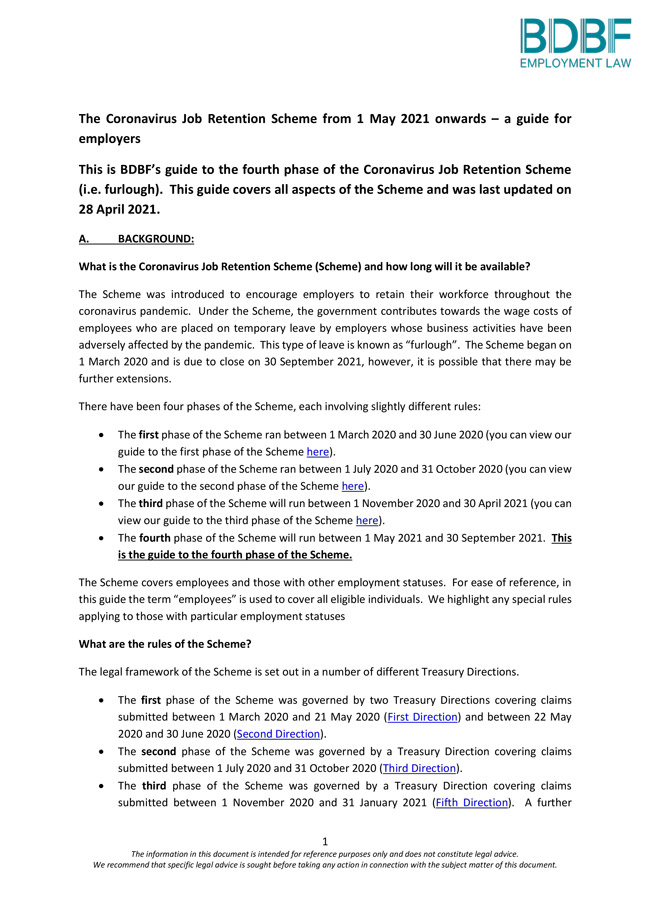
BDBF’s guide to the next phase of the furlough scheme

This is our detailed guide to next phase of the furlough scheme which runs between 1 May 2021 and 30 September 2021.  This guide was last updated on 28 April 2021.

Please click on the image below to open the PDF guide:

[/et_pb_text][et_pb_image _builder_version=”4.7.4″ _module_preset=”default” title_text=”Guide-to-the-COVID-19-Job-Retention-Scheme-from-1-May-2021-(PDF)-1″ src=”http://davidk423.sg-host.com/wp-content/uploads/2021/04/Guide-to-the-COVID-19-Job-Retention-Scheme-from-1-May-2021-PDF-1.jpg” url=”http://davidk423.sg-host.com/wp-content/uploads/2021/04/Guide-to-the-COVID-19-Job-Retention-Scheme-from-1-May-2021-PDF.pdf” hover_enabled=”0″ sticky_enabled=”0″ border_width_all=”2px” border_color_all=”#1D7078″ align=”center”][/et_pb_image][et_pb_text _builder_version=”4.7.4″ text_orientation=”justified” hover_enabled=”0″ use_border_color=”off” sticky_enabled=”0″]

BDBF is currently advising many employers and employees on the challenges presented by the coronavirus pandemic, including preparing for the return to the workplace.  If you or your business needs advice on any coronavirus-related matter please contact Amanda Steadman (amandasteadman@bdbf.co.uk) or your usual BDBF contact.

[/et_pb_text][/et_pb_column][/et_pb_row][/et_pb_section][et_pb_section fb_built=”1″ _builder_version=”3.26.6″][et_pb_row _builder_version=”3.26.6″][et_pb_column type=”4_4″ _builder_version=”3.26.6″][/et_pb_column][/et_pb_row][/et_pb_section]


Look before you leap – does your employment contract prevent you from starting a new job?

[et_pb_section fb_built=”1″ _builder_version=”3.0.100″ background_image=”http://davidk423.sg-host.com/wp-content/uploads/2017/09/bdbf_final-stages-1-4-1.jpg” custom_padding=”|||” global_module=”2165″ saved_tabs=”all”][et_pb_row _builder_version=”3.25″ custom_padding=”|||”][et_pb_column type=”4_4″ _builder_version=”3.25″ custom_padding=”|||” custom_padding__hover=”|||”][et_pb_text _builder_version=”3.27.4″ background_layout=”dark” custom_margin=”0px|||” custom_padding=”0px|||”]

Employment Law News


[/et_pb_text][/et_pb_column][/et_pb_row][/et_pb_section][et_pb_section fb_built=”1″ admin_label=”section” _builder_version=”3.22.3″][et_pb_row admin_label=”row” _builder_version=”3.25″ background_size=”initial” background_position=”top_left” background_repeat=”repeat”][et_pb_column type=”4_4″ _builder_version=”3.25″ custom_padding=”|||” custom_padding__hover=”|||”][et_pb_text _builder_version=”4.7.4″ text_orientation=”justified” hover_enabled=”0″ use_border_color=”off” sticky_enabled=”0″]

Look before you leap – does your employment contract prevent you from starting a new job?

With the economy entering what we hope is a recovery phase we are seeing an increase in senior employees looking to start new jobs running up against restrictive covenants in their employment contracts.

If you are in a role where your employer may want to prevent you from competing with them (for example a senior management or sales role) then you should take advice on your obligations at an early stage because:

  • Restrictive covenants are not always unenforceable: Post termination restrictions are only enforceable if they are reasonable and go no further than is necessary to protect the employer’s legitimate business interest.  However, what that means in practice requires a detailed review of your role and the confidential information, clients etc. you interact with.
  • You need the complete picture: In addition to your employment contract there may also be post-termination restraints in other documents you have signed up to, such as share schemes or other incentive plans.  These documents may well be subject to foreign law, adding a further layer of complexity.  We frequently work with foreign qualified lawyers to assist clients in this situation.
  • The documents are not the full story: You will also owe a series of implied obligations to your employer depending on your seniority, that must be carefully navigated.  What, for example, can you say to clients about your move to a competitor without getting into difficulty? What can you say on LinkedIn?
  • You might be able to escape your restrictions (and your notice period) altogether: This can be the case if you have been “constructively dismissed” by your employer but your resignation must be handled promptly and in the right way for this to work.
  • You need to get your new employer onboard: Understanding your obligations will enable you to negotiate, for example: coverage from the new employer in relation to any dispute about your restrictions, and, if we do take the view that you need to spend some time on the bench, something from the new employer to plug the lost income from doing so.
  • There is usually not safety in numbers:  If more than one person from a team is moving to a new employer at the same time, then the risks of a dispute can increase significantly, particularly for the person who heads the team. We often guide teams through such moves, and we can help reduce the scope for litigation and risk.
  • The stakes are high: If your former employer decides to start proceedings against you in respect of a breach of a restrictive covenant (such as by way of an injunction) this could disrupt the relationship with your new employer. The costs of defending such proceedings can be high, and the remedies available to employers could prevent you from taking up your role and may even require you to make a payment to your former employer on account of profits.
  • Many people leave it too late: Better outcomes can often be achieved if advice is taken at an early stage rather than waiting until you have fallen into dispute with your current employer.

If you would like a discussion about any of these issues, please contact Tom McLaughlin (tommclaughlin@bdbf.co.uk) or your usual BDBF contact.

[/et_pb_text][/et_pb_column][/et_pb_row][/et_pb_section][et_pb_section fb_built=”1″ _builder_version=”3.26.6″][et_pb_row _builder_version=”3.26.6″][et_pb_column type=”4_4″ _builder_version=”3.26.6″][/et_pb_column][/et_pb_row][/et_pb_section]


NEGOTIATING SENIOR EXECUTIVE CONTRACTS – PITFALLS AND TIPS

[et_pb_section fb_built=”1″ _builder_version=”3.0.100″ background_image=”http://davidk423.sg-host.com/wp-content/uploads/2017/09/bdbf_final-stages-1-4-1.jpg” custom_padding=”|||” global_module=”2165″ saved_tabs=”all”][et_pb_row _builder_version=”3.25″ custom_padding=”|||”][et_pb_column type=”4_4″ _builder_version=”3.25″ custom_padding=”|||” custom_padding__hover=”|||”][et_pb_text _builder_version=”3.27.4″ background_layout=”dark” custom_margin=”0px|||” custom_padding=”0px|||”]

Employment Law News


[/et_pb_text][/et_pb_column][/et_pb_row][/et_pb_section][et_pb_section fb_built=”1″ admin_label=”section” _builder_version=”3.22.3″][et_pb_row admin_label=”row” _builder_version=”3.25″ background_size=”initial” background_position=”top_left” background_repeat=”repeat”][et_pb_column type=”4_4″ _builder_version=”3.25″ custom_padding=”|||” custom_padding__hover=”|||”][et_pb_text _builder_version=”4.7.4″ text_orientation=”justified” hover_enabled=”0″ use_border_color=”off” sticky_enabled=”0″]

Negotiating Senior Executive Contracts – Pitfalls and Tips

With bonus season behind us and restrictions beginning to lift, many people are beginning to rethink their career or plan their next job move. We are often approached by clients asking: “how do I negotiate my contract?” or “can I negotiate my contract?”. At BDBF, as well as regularly negotiating exits, we are expert in providing bespoke and tailored advice to senior executives at the point of entering new employment contracts. BDBF Partner Paula Chan and Associate Blair Wassman offer some guidance below on negotiating your contract.

The first rule of negotiation: negotiate

Many believe employers will not deviate from their standard form contract, and as a result they simply accept the terms on offer. This can be the case, but it does not reflect our experience across the board. Many employers will welcome proposals and we often successfully negotiate more favourable terms for executives and professionals joining small and large organisations, including listed companies.  We commonly do this by assisting in the background rather than dealing with your new employer directly. 

You are in the best position to negotiate beneficial terms before your employment commences. Securing talent at a senior level is rarely an easy task for employers and they are likely to be as eager as you to secure your start. Your negotiating leverage is therefore likely better than you think.

Do not assume restrictive covenants are unenforceable 

Restrictive covenants can limit what an employee can do after employment ends. They can prevent an employee from working for a competitor, from soliciting or dealing with clients or potential clients or from poaching or moving with key employees. Many individuals do not pay attention to these restrictions until they wish to move on, mistakenly believing that covenants, particularly non-competes are unenforceable. The drafting and scope of the restrictions may mean they are unenforceable but, where drafted properly, they can prevent an employee working in their desired role on termination of employment. 

You should consider with care the duration and scope of any proposed restrictions. They may be too widely drafted and go beyond what is required to protect an employer’s legitimate business interests. Consider how they interact with any notice and garden leave clauses. Often garden leave clauses provide that the duration of restrictive covenants will be reduced by any period spent on garden leave.  

Check whether you are restriction free 

You may be subject to onerous restrictions in your last employment contract, as well obligations to notify your existing employer about offers of employment you have received or to provide a prospective employer with a copy of your restrictions.

Check whether your new employment contract states that your employment is conditional on you not being bound by any restrictions preventing you from taking up the role. This means that if you are subject to restrictions, your new employer may be able to withdraw their offer or terminate your employment immediately. This can be particularly disastrous for employees who lose deferred compensation on the giving or expiry of notice in order to take up a new role, especially if they are relying on a guaranteed or sign on bonus from their new employer to cover that loss.

If you are concerned about the impact of restrictions on your existing or new employment relationship , it is important to seek legal advice at an early stage before you resign or accept an offer of employment, especially if you are planning on working for a competitor.

If you breach an existing restriction, you (and your new employer) may be subject to costly and time-consuming legal proceedings. You could be ordered by a Court not to commence or to cease employment with your new employer or to make a payment on account of profits to your former employer. Even if legal proceedings do not materialise, it is our experience that a letter from a former employer threatening legal action can be incredibly disruptive to the stability and success of a new employment relationship. 

Read the small print 

It is important to read the whole contract, as some employer-friendly provisions may be hidden in places you may not expect.

For example, consider whether there is an option for the employer to make a payment in lieu of notice. Does it include benefits and bonus? Is it subject to certain conditions, i.e. does it allow the employer to make payments in instalments, or is there a requirement for you to mitigate your loss? Check whether your employer can make changes to your benefits or place of work without your consent. This has never been more important given the move towards greater flexibility and more home working with some senior executives moving out of the City whilst retaining City roles.  If you have been led to believe that your role will allow for homeworking does the contract reflect that? 

Pay attention to probationary periods

Check whether you will be subject to a probationary period, and whether the employer has the option to unilaterally extend this period. Many probationary clauses will also allow the employer to terminate your employment with very little notice, and some contractual benefits may not commence until you have completed your probation. As unfair dismissal rights only arise once you have two years’ service, the contractual terms surrounding probation and corresponding notice period are crucial. 

Do not proceed without a clear understanding of variable remuneration

You may happily be entitled to receive a bonus, incentive or other form of deferred compensation. However, such benefits often come with strings attached. They may be subject to stringent conditions and plan documents external to your employment contract.

It is essential that you understand exactly what you will be entitled to, how awards will be made, and any conditions attached to incentives. You should ask for copies of the plan documents so that you understand vesting periods, the nature of your employer’s discretion, additional restrictive covenants (which may go beyond those in your contract), and the leaver provisions. Will you lose any unvested awards or bonuses if your employment ends before the awards vest or bonuses are paid?

Further, if you will lose out on variable remuneration as a result of having to leave your previous job, you may want to consider whether your new employer will buy you out and if so, at a guaranteed level.

Avoid relying on promises not contained in the contract 

All elements of the deal should be expressly incorporated into the contract. We often advise against relying on verbal or email assurances as employment contracts may contain entire agreement clauses, which state that the contract records the entire agreement between the parties and replaces any previous agreements or representations.

Look out for “agreements to agree”. These may include a promise of equity or cash bonus ‘to be determined’ on joining. All terms should be clear and should avoid giving the employer the luxury of being able to default on promises at a later stage.

Pick your battles

This is a new relationship. We recommend that clients pick their battles and focus on the most important elements of the deal when negotiating to get things off to a good start and to maximise the prospects of securing what matters most to them. We can provide you with strategic advice on which employment provisions should receive focus and how best to approach discussions.

If you would like to know more, or you need advice regarding your contractual terms, please contact Paula Chan (paulachan@bdbf.co.uk), Blair Wassman (blairwassman@bdbf.co.uk) or your usual BDBF contact.

[/et_pb_text][/et_pb_column][/et_pb_row][/et_pb_section][et_pb_section fb_built=”1″ _builder_version=”3.26.6″][et_pb_row _builder_version=”3.26.6″][et_pb_column type=”4_4″ _builder_version=”3.26.6″][/et_pb_column][/et_pb_row][/et_pb_section]


MS Awareness Week 2021

[et_pb_section fb_built=”1″ _builder_version=”3.0.100″ background_image=”http://davidk423.sg-host.com/wp-content/uploads/2017/09/bdbf_final-stages-1-4-1.jpg” custom_padding=”|||” global_module=”2165″ saved_tabs=”all”][et_pb_row _builder_version=”3.25″ custom_padding=”|||”][et_pb_column type=”4_4″ _builder_version=”3.25″ custom_padding=”|||” custom_padding__hover=”|||”][et_pb_text _builder_version=”3.27.4″ background_layout=”dark” custom_margin=”0px|||” custom_padding=”0px|||”]

Employment Law News


[/et_pb_text][/et_pb_column][/et_pb_row][/et_pb_section][et_pb_section fb_built=”1″ admin_label=”section” _builder_version=”3.22.3″][et_pb_row admin_label=”row” _builder_version=”3.25″ background_size=”initial” background_position=”top_left” background_repeat=”repeat”][et_pb_column type=”4_4″ _builder_version=”3.25″ custom_padding=”|||” custom_padding__hover=”|||”][et_pb_text _builder_version=”4.7.4″ text_orientation=”justified” use_border_color=”off”]

MS Awareness Week

This week is MS Awareness Week, a campaign which seeks to raise awareness of Multiple Sclerosis (MS) and encourage those affected by it to speak openly about how it impacts them. In this article, BDBF Associate, Theo Nicou, considers what employers can do to help break the silence and support staff with the condition.

What is MS and what are the symptoms?

MS is a progressive condition that affects more than 130,000 people in the UK, and almost three times as many women as men.

In MS, the coating that protects nerves is damaged and this affects the brain and spinal cord. This causes a range of symptoms including blurred vision and problems with balance, memory, thinking and emotions.

What legal obligations do employers have to staff with MS?

MS is a deemed disability in the Equality Act 2010. This means that people with MS are automatically protected from unlawful discrimination. This applies from the moment that they are diagnosed, irrespective of how their MS affects them.

Employers have various legal duties to employees with MS including:

  • to implement any reasonable adjustments their employee needs in order to do their job;
  • not to discriminate against or harass their employee or allow their employee to be harassed or discriminated against by other members of staff; and
  • to observe their duties about the management of sensitive personal data.

What can employers do to support employees with MS? 

The MS Society makes the following recommendations for employers:

  1. Consider which reasonable adjustments can be put in place

Reasonable adjustments can vary in the form they take, from providing a chair to agreeing flexible or reduced working hours or working from home. What is considered ‘reasonable’ will depend on the employer and the job the employee carries out. It may be advisable for employers to arrange for their employees to undertake an occupational health assessment to identify any reasonable adjustments that would help alleviate any disadvantage they suffer. Reasonable adjustments should be reviewed on a regular basis to ensure they are effective.

  1. Establish an ongoing dialogue

Talking about MS is essential to enable employees and employers to express their concerns and determine what the employee needs and how the employer can help.  It is important to note that MS affects people differently and so employers should avoid making assumptions about what the employee can and cannot do. They should ensure any support provided is tailored to the employee in question.

  1. Time off from work

Employers can support employees by recording time off related to MS separately from ordinary sick leave and by discounting it from any absence management procedures. This is especially important where the employer imposes sanctions on employees for sickness absence. Employers should also consider allowing affected employees paid time off to attend appointments related to their MS.

  1. Managing relapses

If an employee has a relapse, they may be unable to work. Communication is key to managing the situation and employers should avoid putting pressure on an employee to return to work before they are well enough to return. When they are ready to return to work, employers should hold a meeting with their employee in advance to discuss any extra support they may need. This will ensure there is time to implement any reasonable adjustments that they may require. It may, for example, also be suitable to consider a phased return.

Closing thoughts

There is no ‘one size fits all’ approach to managing MS in the workplace. That is because MS affects those who are impacted by it in different ways. Employers should focus on opening up channels of communication, to help break the silence about MS, but also to ensure they are best placed to retain talent and support employee needs.

If you would like to know more, or your business needs advice, please contact Theo Nicou (theonicou@bdbf.co.uk) or your usual BDBF contact.

[/et_pb_text][/et_pb_column][/et_pb_row][/et_pb_section][et_pb_section fb_built=”1″ _builder_version=”3.26.6″][et_pb_row _builder_version=”3.26.6″][et_pb_column type=”4_4″ _builder_version=”3.26.6″][/et_pb_column][/et_pb_row][/et_pb_section]


Do NDAs stop insurance staff from flagging workplace discrimination?

[et_pb_section fb_built=”1″ _builder_version=”3.0.100″ background_image=”http://davidk423.sg-host.com/wp-content/uploads/2017/09/bdbf_final-stages-1-4-1.jpg” custom_padding=”|||” global_module=”2165″ saved_tabs=”all”][et_pb_row _builder_version=”3.25″ custom_padding=”|||”][et_pb_column type=”4_4″ _builder_version=”3.25″ custom_padding=”|||” custom_padding__hover=”|||”][et_pb_text _builder_version=”3.27.4″ background_layout=”dark” custom_margin=”0px|||” custom_padding=”0px|||”]

Employment Law News


[/et_pb_text][/et_pb_column][/et_pb_row][/et_pb_section][et_pb_section fb_built=”1″ admin_label=”section” _builder_version=”3.22.3″][et_pb_row admin_label=”row” _builder_version=”3.25″ background_size=”initial” background_position=”top_left” background_repeat=”repeat”][et_pb_column type=”4_4″ _builder_version=”3.25″ custom_padding=”|||” custom_padding__hover=”|||”][et_pb_text _builder_version=”4.7.4″ text_orientation=”justified” hover_enabled=”0″ use_border_color=”off” sticky_enabled=”0″]

Do NDAs stop insurance staff from flagging workplace discrimination?

City regulators have placed their weight firmly behind tackling discrimination and harassment in the Insurance sector.  The FCA requires firms to be proactive in addressing non-financial misconduct and Lloyd’s of London introduced its own Standards of Business Conduct for the insurance market.  In this article for the Insurance Post, BDBF Partner, Claire Dawson looks at the protection staff at insurance firms have if they speak up about harassment and discrimination after signing an NDA

View the full article here: https://www.postonline.co.uk/people/7817231/blog-do-ndas-stop-insurance-staff-from-flagging-workplace-discrimination

If you would like to know more, or you need advice regarding NDAs please contact Claire Dawson (ClaireDawson@bdbf.co.uk), or your usual BDBF contact.

[/et_pb_text][/et_pb_column][/et_pb_row][/et_pb_section][et_pb_section fb_built=”1″ _builder_version=”3.26.6″][et_pb_row _builder_version=”3.26.6″][et_pb_column type=”4_4″ _builder_version=”3.26.6″][/et_pb_column][/et_pb_row][/et_pb_section]